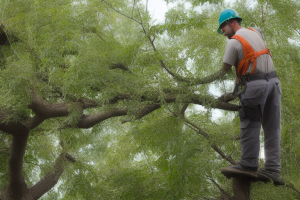
As a Toronto property owner, understanding the tree pruning timing in Toronto is essential for maintaining the health and safety of your trees. Proper pruning not only enhances the aesthetic appeal of your property but also promotes long-term tree vitality. In 2026, the timing of tree pruning has become even more critical due to changing environmental conditions and increased awareness of tree care practices. Knowing when to prune your trees can prevent disease, encourage growth, and ensure the safety of your surroundings. This guide provides a comprehensive overview of the best times to prune trees in Toronto, helping you make informed decisions for your outdoor space.
Tree pruning in Toronto requires careful planning based on the type of tree, local climate, and seasonal changes. The tree pruning timing in Toronto varies depending on the species and the purpose of pruning. Whether you’re looking to remove dead branches, shape the tree, or promote new growth, the timing of your pruning efforts can significantly impact the tree’s health. This guide will walk you through the latest trends, a detailed action plan, common mistakes to avoid, and a practical checklist to help you achieve optimal results in 2026.
2026 Trends and Updates
As we move into 2026, there is a growing emphasis on sustainable and eco-friendly tree care practices in Toronto. Local authorities and tree care professionals are increasingly promoting the use of tree pruning timing in Toronto that aligns with seasonal patterns to minimize stress on trees and promote natural growth. This shift reflects a broader commitment to environmental stewardship and the long-term health of urban forests. Additionally, there is a rise in the use of advanced pruning techniques and tools that allow for more precise and efficient tree maintenance. These innovations are helping property owners in Toronto achieve better results with less effort and minimal damage to the trees.
Tree Pruning Timing In Toronto Action Plan
Creating an effective tree pruning timing in Toronto action plan involves understanding the specific needs of your trees and the local climate. Here are some key steps to follow:
- Identify the type of tree you have, as different species have different pruning requirements.
- Consult local tree care professionals for advice on the best tree pruning timing in Toronto for your specific trees.
- Plan your pruning schedule around the natural growth cycles of your trees to avoid unnecessary stress.
- Use the right tools and techniques to ensure safe and effective pruning.
- Monitor your trees regularly for signs of disease or damage, and prune as needed.
Common Mistakes and Risk Controls
Many property owners in Toronto make common mistakes when it comes to tree pruning timing in Toronto. One of the most frequent errors is pruning at the wrong time of year, which can lead to unnecessary stress on the tree and even disease. Another mistake is over-pruning, which can weaken the tree’s structure and reduce its ability to produce new growth. To avoid these risks, it’s important to follow best practices and consult with experienced tree care professionals. Additionally, always ensure that your pruning activities comply with local regulations and environmental guidelines.
Practical Checklist
- Identify the type of tree and its specific pruning needs.
- Research the tree pruning timing in Toronto for your tree species.
- Consult with a local tree care professional for guidance.
- Plan your pruning schedule around the natural growth cycles of your trees.
- Use the right tools and techniques to ensure safe and effective pruning.
- Monitor your trees regularly for signs of disease or damage.
- Follow local regulations and environmental guidelines when pruning.
- Consider the impact of pruning on your property and surrounding environment.
FAQ
When is the best time to prune trees in Toronto?
The best time to prune trees in Toronto depends on the species and the purpose of pruning. Generally, the tree pruning timing in Toronto is best during late winter or early spring before new growth begins. However, some trees may benefit from pruning in late summer or early fall.
What are the risks of pruning at the wrong time?
Pruning at the wrong time can lead to unnecessary stress on the tree, increased risk of disease, and reduced growth. It can also make the tree more vulnerable to pests and environmental damage. Always follow the recommended tree pruning timing in Toronto for your specific trees.
How can I ensure that my pruning is done safely and effectively?
To ensure safe and effective pruning, use the right tools and techniques, follow the recommended tree pruning timing in Toronto, and consult with a professional tree care service. Always monitor your trees for signs of damage or disease and prune as needed.
https://treegreencutters.ca.
For source checking and current public guidance, review https://www.toronto.ca/services-payments/building-construction/tree-ravine-protection-permits/.
Practical Checklist
- Confirm the latest source information before making a decision.
- Compare the advice against your budget, timing, location, and risk tolerance.
- Save the relevant documents, links, and questions before contacting a professional.
- Review the plan again when market conditions, rules, or personal needs change.
FAQ
Why does tree pruning timing in Toronto matter right now?
It matters because conditions can change quickly, and readers need a clear way to separate useful updates from noise before they act.
What should readers verify first?
They should verify dates, source credibility, local rules, costs, eligibility, and whether the advice applies to their specific situation.
When should someone get professional help?
Professional help is useful when the decision involves contracts, permits, insurance, financing, safety, or a major purchase.
2026 Trends and Updates
Current public updates should be treated as decision support, not a guarantee. Readers should verify source dates, compare multiple trusted references, and adjust their plan when new information appears.
To make this guidance more useful, readers should write down their main goal, the deadline for making a decision, the information that still needs verification, and the tradeoffs they are willing to accept. This simple step turns a general article into a practical plan and reduces the chance of acting on incomplete information.
To make this guidance more useful, readers should write down their main goal, the deadline for making a decision, the information that still needs verification, and the tradeoffs they are willing to accept. This simple step turns a general article into a practical plan and reduces the chance of acting on incomplete information.
To make this guidance more useful, readers should write down their main goal, the deadline for making a decision, the information that still needs verification, and the tradeoffs they are willing to accept. This simple step turns a general article into a practical plan and reduces the chance of acting on incomplete information.
To make this guidance more useful, readers should write down their main goal, the deadline for making a decision, the information that still needs verification, and the tradeoffs they are willing to accept. This simple step turns a general article into a practical plan and reduces the chance of acting on incomplete information.