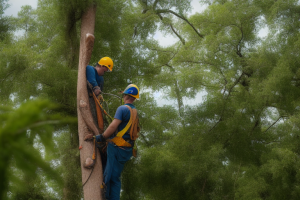
As the 2026 storm season approaches, storm damage prevention for trees in Toronto has become a critical priority for property owners. With increasing weather unpredictability, it’s essential to understand how to protect your trees and property from potential damage. Proper tree care and maintenance can significantly reduce the risk of harm during severe weather events. This guide provides practical advice and expert insights to help you prepare effectively for the upcoming storm season.
Whether you’re a homeowner or a property manager, taking proactive steps to storm damage prevention for trees in Toronto can save you from costly repairs and long-term damage. This article outlines the latest trends, actionable strategies, and common mistakes to avoid, ensuring your trees remain healthy and resilient. By following these guidelines, you can create a safer environment for your home and community.
2026 Trends and Updates
As we move into 2026, the focus on storm damage prevention for trees in Toronto has evolved significantly. Climate patterns are shifting, leading to more frequent and severe weather events. Property owners are now more aware of the need for regular tree assessments and maintenance. The city of Toronto has also introduced updated guidelines to help residents better prepare for extreme weather conditions.
One of the key trends in 2026 is the increased use of technology in tree care. Drones and advanced monitoring systems are being used to assess tree health and identify potential risks. Additionally, there is a growing emphasis on sustainable practices, such as using organic fertilizers and promoting biodiversity in urban landscapes. These updates reflect a more proactive and environmentally conscious approach to storm damage prevention for trees in Toronto.
Storm Damage Prevention For Trees In Toronto Action Plan
Creating an effective action plan for storm damage prevention for trees in Toronto is essential to safeguard your property. Start by conducting a thorough inspection of your trees to identify any signs of weakness or disease. This includes checking for cracks, leaning trunks, and dead branches. Consulting with a professional tree care service can provide valuable insights and recommendations tailored to your specific needs.
Next, implement a regular maintenance schedule that includes pruning, fertilizing, and watering. These activities help promote healthy growth and reduce the risk of damage during storms. It’s also important to keep your property clear of debris and ensure that gutters and downspouts are functioning properly. This helps prevent water buildup, which can weaken tree roots and lead to structural issues.
Common Mistakes and Risk Controls
Many property owners make common mistakes when it comes to storm damage prevention for trees in Toronto. One of the most frequent errors is neglecting regular tree inspections. Without proper monitoring, potential hazards can go unnoticed, leading to severe damage during storms. Another mistake is improper pruning techniques, which can weaken the tree’s structure and increase the risk of breakage.
To mitigate these risks, it’s crucial to follow best practices for tree care. Always hire licensed professionals for pruning and removal services to ensure safety and effectiveness. Additionally, be mindful of the surrounding environment, such as proximity to buildings, power lines, and other structures. Implementing these risk controls can significantly reduce the likelihood of damage and ensure the long-term health of your trees.
Practical Checklist
- Conduct a comprehensive tree inspection to identify weak or diseased branches.
- Prune trees regularly to remove dead or damaged limbs and promote healthy growth.
- Ensure proper watering and fertilization to support tree health.
- Clear debris from around trees to prevent root damage and improve drainage.
- Check and maintain gutters and downspouts to prevent water buildup.
- Keep a safe distance from power lines and other structures when working with trees.
- Consult with a professional tree care service for expert advice and assistance.
- Stay informed about local weather forecasts and be prepared for severe storms.
FAQ
What are the best practices for storm damage prevention for trees in Toronto?
Best practices include regular tree inspections, proper pruning, watering, and fertilization. It’s also important to keep your property clear of debris and maintain gutters and downspouts. Consulting with a professional tree care service can provide additional guidance tailored to your specific needs.
How can I find a reliable tree care service in Toronto?
Look for licensed and insured tree care services with a good reputation. You can find reliable services through local directories or by asking for recommendations from neighbors. Always verify their credentials and check for reviews to ensure quality service.
Are there any permits required for tree removal in Toronto?
Yes, there are permits required for tree removal in Toronto. You can find more information on the City of Toronto’s Tree & Ravine Protection page. It’s important to follow local regulations to ensure compliance and protect your property.
A practical storm damage prevention for trees in toronto plan starts with the reader’s actual decision: what changed, what needs verification, and what action should happen next. Use the latest public information, compare it against trusted sources, and avoid acting on unsourced claims. For related guidance and service details, visit https://treegreencutters.ca. It matters because conditions can change quickly, and readers need a clear way to separate useful updates from noise before they act. They should verify dates, source credibility, local rules, costs, eligibility, and whether the advice applies to their specific situation. Professional help is useful when the decision involves contracts, permits, insurance, financing, safety, or a major purchase. Current public updates should be treated as decision support, not a guarantee. Readers should verify source dates, compare multiple trusted references, and adjust their plan when new information appears. To make this guidance more useful, readers should write down their main goal, the deadline for making a decision, the information that still needs verification, and the tradeoffs they are willing to accept. This simple step turns a general article into a practical plan and reduces the chance of acting on incomplete information. To make this guidance more useful, readers should write down their main goal, the deadline for making a decision, the information that still needs verification, and the tradeoffs they are willing to accept. This simple step turns a general article into a practical plan and reduces the chance of acting on incomplete information. To make this guidance more useful, readers should write down their main goal, the deadline for making a decision, the information that still needs verification, and the tradeoffs they are willing to accept. This simple step turns a general article into a practical plan and reduces the chance of acting on incomplete information. To make this guidance more useful, readers should write down their main goal, the deadline for making a decision, the information that still needs verification, and the tradeoffs they are willing to accept. This simple step turns a general article into a practical plan and reduces the chance of acting on incomplete information.Practical Checklist
FAQ
Why does storm damage prevention for trees in toronto matter right now?
What should readers verify first?
When should someone get professional help?
2026 Trends and Updates