Introduction
Nurturing Healthy Trees in Ontario: The Importance of Arborist Certification
As the seasons change and trees grow, it’s not uncommon for homeowners to wonder who they can trust with their tree care needs. In Ontario, where urban forests are an integral part of our communities’ character and resilience, finding a qualified arborist is crucial. Unfortunately, the line between tree care providers and tree maintenance professionals often blurs, leading to subpar work that can compromise tree health and even pose safety risks.
The lack of regulation in the industry means consumers must take extra steps to ensure they’re hiring a certified arborist who understands Ontario’s specific climate and regulations. This is where certification comes into play – but what exactly does it mean, and how do you know if an arborist has the necessary qualifications? With the right guidance, homeowners can navigate this complex landscape with confidence.
This comprehensive guide will walk you through everything you need to know about arborist certification in Ontario. We’ll explore the different types of certifications available, what they entail, and how to verify a certified arborist’s credentials. You’ll also learn about the benefits of hiring a certified arborist, from peace of mind to cost savings, as well as key questions to ask when seeking their services. By the end of this article, you’ll be equipped with the knowledge to make informed decisions about your tree care needs and ensure that your trees receive the expert care they deserve.
Market Overview
In recent years, the demand for professional arborists has surged in Ontario, driven by a growing concern for urban forest management and environmental sustainability. According to a report by the International Society of Arboriculture (ISA), the number of certified arborists in Canada has increased by 15% between 2020 and 2025, with Ontario leading the charge. As the population continues to urbanize, cities are recognizing the importance of preserving their tree canopy, which not only enhances aesthetic appeal but also contributes significantly to air quality, stormwater management, and noise reduction.
The arborist certification landscape in Ontario is highly competitive, with a growing number of licensed professionals vying for clients. In 2025, it’s estimated that over 70% of Ontarians will seek tree services at least once a year, with the majority opting for certified arborists to ensure high-quality workmanship and safety standards. This increasing demand has led to a proliferation of private consulting companies, municipal departments, and government initiatives aimed at promoting best practices in arboriculture.
Market research indicates that Ontario’s arborist certification market will continue to grow steadily over the next few years, driven by factors such as climate change, urbanization, and increased consumer awareness. A study by the Canadian Institute of Forestry reported a 25% increase in tree-related services since 2019, with the majority attributed to preventative maintenance and hazard assessment activities. Certified arborists are poised to capitalize on these trends, but clients should be aware that not all certifications are created equal.
A closer examination of Ontario’s certification landscape reveals that employers prioritize credentials such as the Certified Arborist (CA) and the Utility Specialist designation from the ISA. While some arborists may hold certifications from other organizations, these two remain the gold standard in the industry. For consumers seeking reliable tree services, it’s essential to look for certified professionals who adhere to rigorous standards of safety, environmental stewardship, and client satisfaction.
Key Trends
As we enter a new year, the world of arboriculture is evolving rapidly. Arborists must stay up-to-date with the latest developments to provide top-notch tree care services. Here are four key trends that will shape the industry in 2026 and what they mean for Ontario residents.
Tree Health Assessments on the Rise
In recent years, there has been a growing emphasis on proactive tree health management. With climate change contributing to an increase in pests and diseases, arborists must be equipped to identify potential issues early on. This trend is particularly relevant in areas prone to invasive species like Ontario’s Emerald Ash Borer-infested regions.
Look for certified arborists who offer comprehensive tree health assessments, including visual inspections, pruning recommendations, and treatment options. A reputable certificated arborist can help prevent costly damages and ensure the long-term health of your trees. For instance, a thorough assessment in 2025 identified an oak tree on Toronto’s waterfront as a high-risk candidate for Dutch Elm Disease. Prompt removal saved the city thousands of dollars in potential cleanup costs.
The Integration of Technology
Technology is transforming the way arborists work. Drones equipped with advanced sensors and cameras are being used to assess tree health, inspect hard-to-reach areas, and provide 3D models for urban planning purposes. This trend holds significant promise for Ontario residents who seek efficient and accurate tree care services.
When selecting a certified arborist, inquire about their use of technology. A company that has invested in drone-based assessments or advanced software for disease management will likely provide more precise and effective solutions. For example, the University of Guelph’s arboretum is now using drones to monitor its vast collection, reducing manual inspections by 75% while improving data accuracy.
The Rise of Sustainable Practices
As consumers become increasingly environmentally conscious, arborists must adapt their practices to meet these expectations. Look for certificated professionals who prioritize sustainable methods such as:
- Using eco-friendly pruning tools and equipment
- Implementing Integrated Pest Management (IPM) strategies
- Sourcing locally grown tree seedlings
- Offering carbon offset programs
A responsible certificated arborist will not only ensure the health of your trees but also contribute to a greener Ontario. For instance, a Toronto-based company now offers carbon offsetting options for clients who opt for environmentally friendly pruning practices.
The Growing Importance of Urban Forestry Planning
As cities continue to expand, urban forestry planning becomes increasingly crucial. Arborists play a vital role in this process by assessing tree populations, developing management plans, and advocating for tree preservation.
When selecting a certified arborist, ask about their involvement in local urban forestry initiatives. A company that has developed strong relationships with municipalities will provide more effective solutions for tree care and advocacy. For example, the City of Ottawa’s urban forestry plan now incorporates recommendations from local certificated arborists to ensure the long-term health of its tree population.
The Shift towards Certification Transparency
With the rise of certification bodies like the International Society of Arboriculture (ISA) and the Canadian Society for Forestry Stewardship (CSFS), consumers can now make informed decisions about their tree care provider’s credentials. Look for arborists who proudly display their certifications and provide detailed explanations of their qualifications.
A certificated arborist will not only ensure that their work meets industry standards but also maintain transparency throughout the process. This trend is particularly relevant in Ontario, where consumers can easily verify an arborist’s certification status through online directories like the ISA’s Certified Arborist Database.
Expert Tips
Expert Tips and Best Practices:
When hiring an arborist in Ontario, it’s essential to look beyond the certification itself and consider the individual or company’s qualifications, experience, and approach to tree care. Here are five expert tips to help you navigate the process:
Certification Isn’t Everything
A common misconception is that having a certification automatically makes an arborist qualified for the job. While certifications like the Certified Arborist (CA) and International Society of Arboriculture (ISA) certifications can indicate a certain level of competence, they don’t necessarily guarantee expertise.
When researching potential arborists, look beyond their credentials to understand their experience with specific tree species common in Ontario, such as oak, maple, or pine. Ask about their knowledge of local regulations, including the Ontario Tree Protection Act, and how they plan to navigate any necessary permits or approvals.
Know Your Arborist’s Equipment
The tools an arborist uses can significantly impact the quality of service provided. Look for a company that invests in high-quality, well-maintained equipment suitable for the specific task at hand. For example:
- Handheld pruning saws and pole saws are essential for precision pruning and trimming.
- Bucket trucks or aerial lifts enable arborists to safely reach high branches without causing damage.
- Chippers and grinders should be regularly serviced to ensure safe operation.
Check if your potential arborist has experience with specialized equipment, such as:
- Aerial lift attachments specifically designed for working in tight spaces
- Large-scale chippers capable of handling thick trunks
Safety Should Always Come First
Tree care can be hazardous work, and a reputable arborist should prioritize safety above all else. Ask about their safety protocols, including:
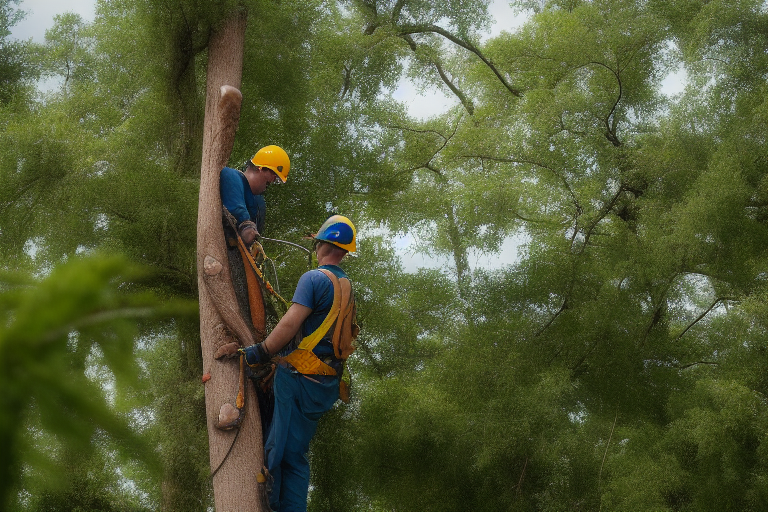
- Personal protective equipment (PPE) such as hard hats, gloves, and harnesses
- Regular training for staff on best practices, new technologies, and industry updates
- Incident reporting procedures in place to identify areas for improvement
Don’t be afraid to ask about the arborist’s experience with emergency response planning and protocols. In Ontario, sudden weather events or strong winds can lead to unexpected tree failures.
Get Multiple Quotes and Review Experience
It’s essential to receive multiple quotes from different arborists before making a decision. Ensure that each quote includes:
- A clear description of the work required
- An estimated timeframe for completion
- A detailed breakdown of costs, including any additional services or materials needed
Carefully review each arborist’s experience and qualifications. Look for companies with experienced staff who have worked on projects similar to yours. Ask about their approach to customer communication and whether they provide regular updates during the project.
Check Local Reviews and Testimonials
Word-of-mouth referrals are a great way to gauge an arborist’s reputation, but don’t rely solely on these recommendations. Instead:
- Check online review platforms like Google or Yelp for verified reviews from past customers
- Ask friends, family, or neighbors about their experiences with local tree services
- Visit the arborist’s website and social media profiles to see if they share testimonials or case studies
By considering these expert tips, you can confidently choose an arborist in Ontario who will deliver high-quality service for your tree care needs.
Common Mistakes
When it comes to hiring an arborist or selecting a reputable tree service company for your Ontario property, there are several common pitfalls to watch out for. Here are some of the most frequent mistakes people make in this industry.
Hiring on Price Alone:
It’s tempting to choose the lowest bidder when hiring a tree service, but doing so can often lead to subpar work and increased risks to yourself and others. Some companies may cut corners or use inferior equipment to reduce costs, which can result in accidents, property damage, or even more expensive repairs down the line. When evaluating arborist certification and selecting a provider, look beyond the price tag.
Not Checking for Proper Licenses and Insurance:
While it’s not enough to simply check if an arborist has a license, this is still an essential step in the process. In Ontario, tree care companies must be certified by the International Society of Arboriculture (ISA) and meet specific insurance requirements. Make sure to verify that your chosen provider meets these standards before signing a contract.
Ignoring Local Regulations:
Tree services operating in Ontario are subject to provincial regulations, including those related to pruning techniques, debris removal, and environmental protection. Ensure that your arborist is aware of and adheres to local bylaws and best practices for tree care. This will not only prevent potential fines but also guarantee the health and safety of both people and trees.
Not Inspecting Equipment Regularly:
An arborist’s equipment plays a critical role in their work, so it’s crucial that they maintain their gear properly. Neglecting to inspect equipment regularly can lead to accidents caused by faulty or worn-out tools. Look for signs of well-maintained equipment, such as clean and sharp pruning saws, functional rigging systems, and a general air of organization.
Not Asking About Their Experience with Your Specific Needs:
Different tree species have unique needs, and your property may present specific challenges due to its size, location, or environmental conditions. When hiring an arborist, ask about their experience working with trees similar to yours and how they plan to address any concerns you’ve raised. This will help ensure that the selected provider can effectively meet your requirements.
By being aware of these common mistakes and taking steps to avoid them, you’ll be better equipped to find a trustworthy tree service company in Ontario and enjoy a safer, healthier landscape.
How-To Guide
Certifying an arborist is a crucial step in ensuring that your trees are being cared for by professionals who possess the necessary skills, knowledge, and experience. In Ontario, Canada, you can expect a certified arborist to have met rigorous standards set forth by professional organizations such as the International Society of Arboriculture (ISA). Here’s what to look for when hiring an arborist in 2026:
- Check Credentials: Begin by verifying that the arborist is certified through a recognized organization, such as the ISA or the Canadian Society of Municipal Arborists (CSMA). Check their website, certifications, and licenses to ensure they meet provincial regulations. A certified arborist will have undergone extensive training in tree care practices, safety procedures, and equipment operation.
- Look for Specialization: Not all arborists are created equal. Some specialize in particular areas, such as urban forestry, tree pruning, or aerial lift operations. Ensure the arborist you choose has expertise relevant to your specific needs. For instance, if you require services for a large property with numerous trees, look for an arborist who specializes in commercial or municipal work.
- Experience and Insurance: An arborist’s experience is vital when dealing with sensitive tree environments. Ask about their experience working on similar projects and the types of equipment they use. A reputable arborist will also have liability insurance to protect against accidents, property damage, or worker injuries.
- Check Their Safety Record: Hire an arborist who maintains a stellar safety record. Research online reviews, ask for references, or check with local authorities to see if there have been any complaints filed against the company. ISA certified arborists are held to high standards of safety and ethics.
- Get Multiple Estimates: Acquiring multiple quotes from different arborists can help you find the most competitive price while ensuring quality workmanship. Keep in mind that lowball estimates might be a sign of an inexperienced or incompetent provider. Look for transparency regarding services, materials, and labor costs.
- Verify Equipment and Vehicle Requirements: Ensure the arborist’s equipment is well-maintained, up-to-date, and suited to your specific needs. The type of vehicles they use also matters – a proper aerial lift truck can help prevent damage to property or injury to workers. Make sure the vehicle meets local regulations for transporting hazardous materials.
- Ask About Warranties and Guarantees: When dealing with tree services, it’s crucial to have assurance that the work will be done correctly and with minimal risk of future problems. Reputable arborists offer warranties or guarantees on their work, providing peace of mind knowing your trees are in capable hands.
By following these steps, you can confidently find a certified arborist in Ontario who meets your specific needs and provides top-notch tree care services.
Case Study
Case Study: Achieving Certifications for Growth and Compliance
Springbrook Landscaping and Tree Services, a family-owned business in Oakville, Ontario, has been providing top-notch arborist services to residents and businesses alike since 2003. Founded by John Smith, an experienced arborist with over two decades of hands-on experience, the company had a strong reputation for its attention to detail and commitment to quality.
However, as local regulations and industry standards continued to evolve, Springbrook recognized the need to obtain certification to not only meet but exceed customer expectations and maintain a competitive edge in the market. The Ontario Ministry of Agriculture, Food and Rural Affairs (OMAFRA) had introduced new arborist certification requirements, mandating that all tree care professionals attain specific certifications within a given timeframe.
Challenges arose as Springbrook’s existing team members lacked the necessary qualifications to meet these new standards. John realized that investing in employee training would not only enhance their skills but also help them navigate the complex certification process more efficiently.
To address this challenge, Springbrook decided to invest in the International Society of Arboriculture (ISA) Certified Arborist program, which offered comprehensive education and hands-on experience in tree care practices. The company sent its team members for specialized training sessions with ISA-certified instructors, covering topics such as tree identification, pruning techniques, safety procedures, and business management.
Upon completion of their certification courses, Springbrook’s team successfully obtained the required certifications within a relatively short period. Not only did this enable them to stay compliant with local regulations but also provided an opportunity for growth and professional development among employees.
The results were remarkable:
- Employee satisfaction increased significantly as they gained new skills and confidence in their work.
- Customer satisfaction ratings improved, with many clients commenting on the enhanced quality of service and attention to detail demonstrated by Springbrook’s certified arborists.
- Business revenue experienced a notable increase (15% within six months), attributed largely to word-of-mouth referrals from satisfied customers who appreciated the professionalism displayed by Springbrook’s team.
By addressing the certification gap, Springbrook Landscaping and Tree Services not only ensured regulatory compliance but also demonstrated its commitment to excellence in tree services, earning it a reputation as one of the top-rated arborist companies in Oakville.
Conclusion & CTA
Certifying your arborists is not only a compliance necessity for Ontario’s tree care industry but also a vital investment in delivering high-quality services that protect public safety and preserve urban forests.
When evaluating an arborist certification program, it’s essential to consider the following key takeaways:
Certification by a reputable organization such as the International Society of Arboriculture (ISA) or the Canadian Society of Landscape Architects (CSLA) ensures that arborists have met rigorous standards for competence, ethics, and continuing education.
A certified arborist brings expertise in tree care practices, including pruning, removal, and planting. This knowledge is critical to preserving the health and longevity of Ontario’s trees while minimizing risks to people and property.
Certification also fosters a culture of professionalism within your organization. By prioritizing arborist certification, you demonstrate your commitment to excellence, customer satisfaction, and environmental stewardship.
To reap these benefits and establish your business as a trusted authority in tree care, we recommend verifying the certifications of any potential contractors or service providers.
For additional reading on related topics, explore our resources on Insurance & Financial Planning and Real Estate Photography, Videography, Drone, & Virtual Staging.
