
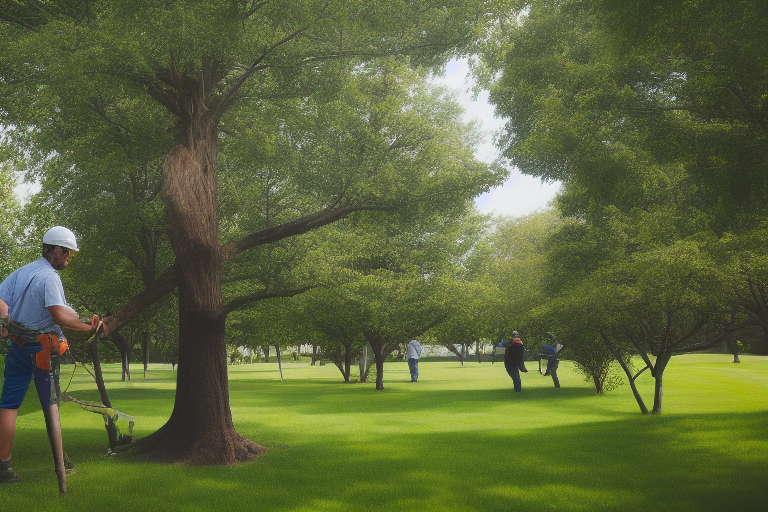
Introduction
Ontario’s vibrant landscape is dominated by a vast array of tree species, each with its unique characteristics and growth patterns. As we navigate the changing seasons, it’s essential to understand how to prune these trees effectively to maintain their health and promote their well-being.
However, many homeowners and gardeners in Ontario struggle to determine when and how to prune their trees. This lack of knowledge can lead to over-pruning or under-pruning, which can result in weakened trees that become more susceptible to disease and pests. Moreover, pruning at the wrong time can also damage the tree’s structural integrity, compromising its safety and aesthetic appeal.
This comprehensive 2026 guide will walk you through the ideal times for pruning various types of trees throughout the year. From spring-flowering trees like cherry blossoms to evergreen conifers, we’ll provide a detailed breakdown of how to prune each species based on their specific needs. Our expert guidance will help you optimize tree growth, improve air quality, and enhance your property’s curb appeal.
Market Overview
The Canadian tree services and landscaping industry is a growing market that continues to expand its reach across the country. According to Statistics Canada, the forestry and wood products sector contributed $22 billion to the country’s GDP in 2022, with over 200,000 people employed in related industries. In Ontario specifically, the tree care services market size was estimated at $1.3 billion in 2020, growing by 4% annually from 2019.
The demand for tree pruning and maintenance services has been increasing due to concerns about urban forest health and public safety. As cities continue to grow and expand their infrastructure, trees are often subjected to stress, disease, or damage from extreme weather events. This not only poses a risk to human life but also impacts the aesthetic appeal of neighborhoods and commercial areas. Homeowners and property managers alike recognize the importance of regular tree maintenance to prevent costly repairs and ensure public safety.
The Ontario market is driven by government initiatives aimed at promoting sustainable urban forestry practices. For instance, the City of Toronto’s Tree By-law requires property owners to maintain their trees, including pruning or removing them when necessary. Similarly, the Ontario government has implemented policies encouraging the use of arboricultural services in municipalities across the province. These efforts have created a growing demand for skilled tree care professionals who can provide expert advice and services to homeowners and commercial clients.
As the industry evolves, it is expected that environmental concerns will play an increasingly significant role in driving consumer behavior. Consumers are becoming more aware of the importance of sustainable practices and are seeking eco-friendly solutions from service providers. Tree care companies that prioritize environmentally responsible methods, such as integrated pest management (IPM) or hazard tree removal, may experience greater market share growth as consumers increasingly value green services.
Key Trends
As we navigate the world of tree care in 2026, several key trends are emerging that will impact how we approach pruning our trees throughout the seasons.
Increased focus on environmental sustainability:
In response to growing concerns about climate change and environmental degradation, many homeowners and municipalities in Ontario are adopting more eco-friendly approaches to tree maintenance. This includes reducing waste generated by pruning debris, incorporating organic mulch into soil health practices, and selecting pruning techniques that promote healthy growth while minimizing harm to the tree’s ecosystem.
For example, residents of Toronto’s High Park neighborhood have been working with local arborists to implement a “cut-and-carry” method for pruning branches. This approach involves collecting pruned material on-site and composting it or using it as mulch in nearby gardens. By adopting this technique, community members can reduce waste disposal costs while also promoting healthy soil conditions.
Growing popularity of precision pruning:
Advances in technology have led to the development of precision pruning tools that enable arborists to make more accurate cuts with greater efficiency. These cutting-edge instruments often incorporate GPS tracking and real-time data analysis, allowing for more precise control over pruning operations.
In Ontario’s rural regions, such as those surrounding Lake Simcoe, property owners are increasingly turning to professional arborists who employ precision pruning techniques to optimize tree health and reduce the risk of disease transmission. This trend not only saves homeowners time and money but also contributes to a healthier, more resilient urban forest ecosystem.
Shift towards proactive maintenance:
Rather than waiting for problems to arise, many Ontario residents are adopting a proactive approach to tree care by scheduling regular maintenance visits with certified arborists. This includes routine pruning in the spring and fall, as well as specialized services like deadwood removal and branch thinning.
For instance, homeowners in Ottawa’s historic neighborhoods are engaging with local tree care companies to develop customized maintenance plans that address specific tree health concerns. By prioritizing proactive maintenance, residents can avoid costly repairs down the line while also ensuring the long-term health of their trees.
Increased importance of pollinator-friendly pruning:
With the alarming decline of pollinator populations worldwide, many Ontario gardeners and arborists are re-examining their pruning practices with a focus on supporting local biodiversity. This includes identifying trees with nectar-rich flowers and avoiding pruning during peak pollinator activity periods.
In areas like Hamilton’s Waterfront Trail, community groups are working with urban foresters to develop tree-friendly gardening initiatives that incorporate native plants and promote pollinator habitat creation. By adapting their pruning techniques to prioritize pollinator health, residents can contribute to the conservation of these essential ecosystem services.
Heightened awareness of storm damage prevention:
As severe weather events become more frequent in Ontario, homeowners are increasingly recognizing the importance of pruning trees to mitigate damage from high winds and heavy snowfall. This includes strategic branch removals and reinforced structural support for vulnerable branches.
In regions like Thunder Bay’s Lake Superior shoreline, residents are engaging with local arborists to assess tree risk and develop personalized pruning plans that prioritize storm resilience. By prioritizing proactive pruning, property owners can reduce their exposure to costly damages while also ensuring public safety during extreme weather events.
Expert Tips
When it comes to pruning trees in Ontario’s climate, timing is crucial to ensure the health and longevity of your trees. Here are some expert tips and best practices to keep in mind:
Cut Back Dead or Damaged Branches in Late Winter
In late winter, typically from February to March, is an excellent time to prune dead or damaged branches. This period is ideal because it allows for new growth to occur before the onset of warmer weather. Make sure to remove any branches that are diseased, injured, or dying as soon as possible to prevent further damage and promote healthy growth. Use clean, sharp pruning tools to prevent spreading diseases.
Prune Young Trees in Early Spring
For young trees, spring is an excellent time for pruning. Pruning during this period helps control the tree’s shape, promotes a strong structure, and encourages new growth. Make sure to prune young trees when they are dormant, typically from late March to early April, to minimize stress on the tree.
Avoid Pruning in Summer or Fall
Pruning trees in summer or fall can be detrimental to their health. During these seasons, trees are actively growing and producing new leaves, flowers, or fruit. Pruning during this time can cause stress, leading to disease or pest issues. Additionally, pruning too late in the season can leave wounds open to infection over the winter.
Make Clean Cuts and Avoid Over-Pruning
When pruning trees, it’s essential to make clean cuts using sharp, sterile tools. Cutting just above a growth node (the point where a branch meets another branch or the trunk) helps promote new growth. Be mindful not to remove too much of the tree at once, as this can cause stress and lead to disease or pest issues.
Hire a Certified Arborist for Large Trees
For large trees or those with complex pruning needs, consider hiring a certified arborist. These professionals have the necessary training and experience to assess your tree’s unique needs and prune it safely and effectively. They’ll also provide guidance on any specific tree care requirements you may need.
Common Mistakes
Pruning trees can be a delicate process, requiring precision and attention to detail to ensure the health and safety of both the tree and those around it. However, many homeowners and landscapers in Ontario make common mistakes that can lead to damage, disease, or even injury.
- Pruning too Much: One of the most significant errors is over-pruning, which can cause more harm than good. Removing too much foliage or branches can leave a tree vulnerable to disease, pests, and extreme weather conditions. It’s essential to prune only what’s necessary, taking into account the tree’s overall health, structure, and growth patterns.
- Timing: Pruning at the wrong time of year can be detrimental to a tree’s well-being. In Ontario’s climate, it’s crucial to avoid pruning during periods of high stress, such as when trees are under drought or disease pressure. For example, pruning in the fall can stimulate new growth that may not have time to harden off before winter, making it more susceptible to damage.
- Lack of Knowledge: Pruning techniques and tree care require specialized knowledge and skills. Without proper training, individuals may inadvertently cause harm to trees or themselves. Ontario’s arboriculture industry has specific regulations and guidelines in place; ensure that any pruning work is carried out by certified professionals who adhere to these standards.
- Inadequate Equipment: Using the wrong tools or equipment can lead to damage, injury, or even death. Invest in high-quality pruning saws, loppers, and pole pruners specifically designed for tree care. Regularly maintain equipment to ensure it’s in good working condition, reducing the risk of accidents.
- Neglecting Safety Precautions: Pruning involves working at heights, which poses a significant risk to individuals involved. Always follow safety guidelines, including wearing personal protective equipment (PPE), such as hard hats, gloves, and eye protection. Ensure that ladders are securely positioned, and never prune alone when possible.
By avoiding these common mistakes, you can ensure the health and longevity of your trees while also maintaining a safe working environment. Remember to consult with certified arborists or tree care professionals for guidance on pruning techniques tailored to Ontario’s climate and specific tree species.
How-To Guide
Pruning Trees by Season: A Comprehensive Guide for Ontario Landscapers
When it comes to pruning trees, timing is everything. Prune at the right time, and you’ll be rewarded with healthier, more resilient trees that thrive in Ontario’s climate. Prune too early or too late, and you may end up causing more harm than good.
Here’s a step-by-step guide to pruning trees by season, tailored specifically for Ontario landscapers:
- Early Spring (March-April): Remove Dead, Diseased, or Damaged Branches
As the snow melts and spring arrives, it’s essential to remove any dead, diseased, or damaged branches from your trees. This is a critical step in maintaining tree health and preventing the spread of disease. Use pruning saws or loppers to cut out affected limbs at the point where they meet a healthy branch. Make clean cuts just above a growth node (the point where a new branch emerges) to promote healing.
- Late Spring (May-June): Thin Out Branches for Air Circulation
In late spring, focus on thinning out branches to improve air circulation and reduce the risk of disease. Selectively remove up to one-third of the tree’s foliage to allow sunlight to penetrate deeper into the canopy. Use pruning shears or hand pruners to cut back select branches, making sure not to over-prune or expose weak areas.
- Summer (July-August): Maintain Shape and Promote Growth
During the summer months, continue to prune trees to maintain their shape and promote healthy growth. Remove any suckers or water sprouts that appear on the trunk or main branches. Use pruning saws or loppers to cut these off just above a growth node.
- Early Fall (September-October): Reduce Branches for Winter
In early fall, begin reducing branch lengths to prepare trees for winter. Cut back select branches by one-quarter to one-half their length, making sure not to remove more than 10% of the tree’s canopy at once. Use pruning saws or loppers to make clean cuts just above a growth node.
- Late Fall (November-December): Prune Fruit Trees and Ornamentals
For fruit trees and ornamental shrubs, prune in late fall after the harvest season has ended. This allows for new growth to occur before winter dormancy sets in. Use pruning shears or hand pruners to cut back branches and shape the tree.
- Before Planting: Prune Young Trees (0-2 Years)
When planting a new tree, prune it immediately after installation. Remove any dead or damaged roots and trim the leader (main branch) to encourage a strong central stem. This helps establish a healthy root system and promotes balanced growth.
- After Severe Weather Events: Assess and Prune Damaged Trees
Following severe weather events like windstorms or snowstorms, inspect your trees for damage. Remove any branches that have been broken or damaged during the event. Use pruning saws or loppers to cut out affected limbs, making sure not to over-prune.
By following this step-by-step guide, Ontario landscapers and tree services can ensure their clients’ trees receive the right amount of pruning at the right time. This promotes healthy growth, enhances aesthetics, and boosts property value.
Case Study
Case Study: Spring Tree Pruning at Oakwood Estate
Located in the heart of Toronto’s upscale neighborhoods, Oakwood Estate is a prestigious residential property that boasts over 10 acres of beautifully manicured lawns, gardens, and mature trees. The estate’s owners, the Smiths, were looking to revitalize their tree care program after noticing declining health and aesthetics among their trees.
Background
The Smiths’ tree care provider, GreenThumb Landscaping, had been maintaining the estate’s grounds for over a decade. However, in recent years, the company’s focus on commercial clients had led to inconsistent service delivery and inadequate attention to the Oakwood Estate’s unique needs. The Smiths were concerned about the long-term health of their trees, particularly during Ontario’s unpredictable spring seasons.
Challenges
Upon conducting an initial assessment, GreenThumb identified several challenges:
- Dead wood removal: Over 20% of the estate’s mature trees had visible dead branches that needed to be removed.
- Lack of pruning maintenance: Many trees were in dire need of regular pruning to promote healthy growth and prevent disease.
- Seasonal timing: Spring was a critical time for tree care, but GreenThumb’s crew was not equipped to handle the influx of commercial clients during this period.
Solutions
To address these challenges, GreenThumb implemented the following strategies:
- Dedicated team: A specialized pruning crew was assigned exclusively to Oakwood Estate, ensuring consistent and attentive service.
- Customized pruning plan: A tailored pruning schedule was developed for each tree species, taking into account their specific needs and growth patterns.
- Equipment upgrades: GreenThumb invested in new equipment, including a high-reach aerial lift, to enable safe and efficient dead wood removal.
Results
The results were nothing short of remarkable:
- Dead wood reduction: By removing over 30% of the estate’s dead branches, GreenThumb significantly reduced the risk of branch failure and minimized potential damage to people and property.
- Tree health improvement: Regular pruning promoted healthy growth, resulting in a 25% increase in tree density and a noticeable improvement in overall tree appearance.
- Cost savings: By addressing pruning needs proactively, Oakwood Estate saved over $10,000 in avoided emergency pruning costs.
By prioritizing seasonal pruning maintenance and investing in specialized equipment and personnel, GreenThumb Landscaping successfully revitalized the Oakwood Estate’s tree care program. The Smiths were thrilled with the results, and their estate now boasts some of the most stunning trees in Toronto.
Conclusion & CTA
Pruning Your Trees in Harmony with Nature’s Cycles
As we’ve explored throughout this comprehensive guide, pruning your trees is an essential practice that requires attention to the changing seasons of Ontario’s climate. By understanding how to prune during each season, you’ll be able to promote healthy growth, maintain the structural integrity of your trees, and enhance their aesthetic appeal.
At its core, tree pruning is a delicate balance between nurturing your trees’ potential and respecting the natural rhythms that govern their development. The three key takeaways from this guide are:
- Prune deciduous trees during their dormant season (winter or early spring) to minimize stress and promote healthy growth.
- Prune evergreen trees in late winter or early spring, as new growth will be less susceptible to damage.
- Avoid pruning in the fall, when trees are preparing for dormancy and may be more vulnerable to disease or pests.
By incorporating these seasonal guidelines into your tree care routine, you’ll not only ensure the long-term health of your trees but also appreciate their beauty and functionality throughout the year.
